












Lucky Bet navigation for visitors in Ethiopia starts with understanding website addresses, moving between public information and personal account access, and describing problems when a page behaves unexpectedly. Keep each task focused: use the homepage for orientation, the account area for personal activity, and the dedicated bonus, mobile and payment pages for their respective topics.
- Purpose: practical guidance for moving through the website.
- Audience: visitors in Ethiopia seeking regional context.
- Address awareness: use the domain to identify your browser’s destination.
- Navigation and help: separate public information from private account activity.
Keep offer-related questions separate from navigation by using the dedicated Lucky Bet bonus guide. Go there for offer information, and use the homepage menu to move between the other sections relevant to your visit.
Welcome
Welcome Offer Information
Keep welcome-offer questions separate from your first tour of the website. Use the dedicated bonus guide for that topic, while this overview stays focused on navigation and privacy.
Which Lucky Bet Site Are You Visiting?
Start with site identity before moving into account activity. Distinguish similarly branded websites by their domain, named business and regional terms. Regional websites can have different legal entities and conditions. Keep information about a service aimed at another country separate from the information relevant to Ethiopia, even when colours and promotional images look familiar.
Identify the Lucky Bet official site through its domain, business identity and regional audience. Treat these as three distinct pieces of information: the browser address, the business named in legal documents, and the audience those documents describe. Use the full address and business name when recording your destination, rather than relying on a logo or regional page title.
Pay attention to the structure of the address when moving between pages. An address contains both a domain and a path: the domain identifies the destination, while the path points to a page within it. Read the domain separately from any brand name appearing later in the address, and record the destination accurately when describing a navigation issue.
A Checked Route to the Current Address
Treat a loading failure and a change of address as separate events. Connection problems, browser settings and server errors can produce similar loading issues. Test your internet connection, note the error message and try again later. Keep troubleshooting focused on the original destination instead of opening a series of unrelated links.
Keep your route simple by starting from a saved address rather than an unsolicited message. A bookmark reduces typing errors; a redirect sends your browser to another destination. If an unfamiliar page opens, pause before entering details. Record the starting address and the final destination so your notes describe the change accurately.
Before You Follow a New Link
A mirror is an additional website address leading to the same service. When handling a link labelled Lucky Bet mirror, focus on the destination domain rather than the page design. The routes below distinguish a saved address, a link delivered in a message and an additional entry point, with the practical risk attached to each.
| Route | How you encounter it | Main risk |
|---|---|---|
| Saved address | A browser bookmark from an earlier visit | The destination can still redirect |
| Operator communication | An address contained in a message | Sender names can be impersonated |
| Additional address | A link presented as another entry point | Copied branding can disguise a different destination |
Separate how you received a link from where it leads. For an unexpected destination, retain both the source of the link and the address that opened; these details make the sequence easier to explain.
When the Destination Changes Unexpectedly
- Stop if the destination domain differs unexpectedly.
- Stop if a redirect takes you to an unrelated page.
- Stop if a public page demands private account or payment details.
If any of these events occurs, close the unfamiliar page without submitting information. Keep a short record of the event, including the starting point and final destination, so you can describe it later without reopening the page.
What Should You Check Before Sharing Details?
Keep personal information out of public browsing tasks. Describe a page-loading error using the address, error message and action you took. Separate the information needed for your immediate task from anything requested unexpectedly. Keep passwords, one-time codes and payment details private while moving through public Lucky Bet pages or discussing a navigation problem.
Connection Security Is Only One Check
A secure connection encrypts traffic between your browser and the destination server. The browser’s connection indicator describes that technical protection; business identity is a separate matter. Use the address and named business to distinguish the destination, and stop when the browser displays a security warning rather than dismissing it to continue through an unfamiliar page.
Operator Information Matters Too
Keep operator information, browser behaviour and personal account decisions in separate categories. Legal documents identify the business and set out its terms, while navigation tools help you move between pages. Use a clear sequence of actions when describing a browser problem, and keep account-specific messages with the account issue they concern.
Practical navigation habits:
- Separate navigation questions from private account issues.
- Describe unexpected redirects using a repeatable sequence.
These steps organise your visit without exposing sensitive information. A concise description of the page, action and result keeps a simple browser problem focused and gives support useful context without unnecessary personal details.
Keep these matters separate:
- Destination identity: the domain and the business named in legal documents.
- Account decisions and payout eligibility: individual messages and applicable conditions.
Choose your next step according to the issue. Use the public menu for orientation, legal documents for contractual information and the relevant account message for a personal decision. Keep each reference attached to its original context.
Keep Your Visit Organised
-
Regional Context
Keep the page's intended audience separate from service eligibility. A guide written for Ethiopian readers does not establish permission to undertake account activity.
-
Private Details Stay Private
Describe navigation problems without sharing passwords or one-time codes. Remove account identifiers and private session tokens before sending screenshots or page addresses.
-
One Task At A Time
Choose the destination connected to your immediate question. Keep public explanations separate from individual account messages so you do not confuse their purposes.
-
Clear Problem Reports
Record the action you took and the result you saw. A short sequence gives your message structure without exposing unrelated personal information.
The Homepage Becomes Your Route Map
The homepage is your starting point for public navigation. Use the main menu to understand the available sections before entering an account area. Keep the purpose of each destination separate: help explains procedures, legal documents set out terms, and personal account pages concern your own activity. Promotional images belong to a different part of that browsing experience.
For mobile-related questions, use the Lucky Bet app download page for the dedicated topic. When browsing on a small screen, expand one menu at a time and close it before opening another. This makes it easier to follow your route, keep the controls visible and return to the page you started from.
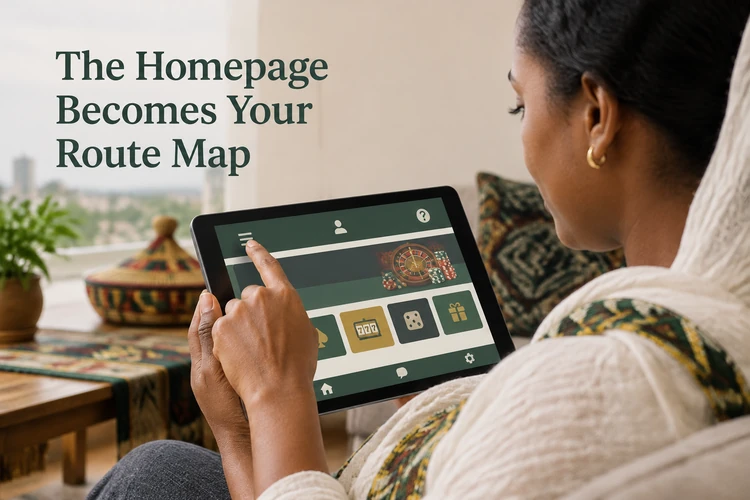
Use these four landmarks to organise your browsing:
- Main menu: movement between public sections.
- Account area: entry to personal account activity.
- Help area: explanations and contact information.
- Legal information: documents describing the business and its terms.
If you lose your place, return to the public homepage and select the section connected to your task. Keep that route separate from unrelated promotions so you can retrace your steps easily.
Where Does Your Personal Account Fit In?
Your personal account is separate from the public homepage. Account access is covered on the dedicated login page. Use public sections for general information and personal account pages for messages about your own activity. Keep an individual notification in its original context, including its wording and the action that led to it.
Keep your credentials private whenever you move into personal account activity. Never send passwords or one-time codes to someone offering help with navigation. If you use a shared device, sign out when finished and avoid saving credentials in the browser. Close private account pages before allowing another person to use the device.
When reading an individual notification, keep its wording separate from your interpretation. Record the relevant message without including private identifiers in a public post. Use the page title and a description of your last action to explain a navigation problem, and crop any screenshot to show only the information relevant to that issue.
A First Look at the Casino Lobby
The Lucky Bet casino lobby is the browsing stage of your route. Focus on the section title, available information and the way back to the main menu. Treat a tile or promotional picture as an entry point to a destination, then use the information attached to that section to understand what you have opened.
When exploring Lucky Bet, keep browsing separate from starting an activity. Read the information attached to the open section and use its controls deliberately. If a control behaves unexpectedly, stop and note the result rather than repeatedly pressing it. A single, clearly recorded action is easier to describe than a sequence of repeated clicks.
Keep these three orientation points in mind:
- The name of the section you opened.
- The location of explanatory help.
- The route back to the main menu.
These landmarks help you explain your experience precisely. When describing a problem, name the section and the action you took. Use those details as the main reference, with the colour or position of a promotional picture as supporting context.
Guide readers share checks
5.0/5
I start with the Ethiopia reference before trusting a Lucky Bet page. My concrete check is the domain and country context, not a familiar logo borrowed from another market.
5.0/5
I would not treat a bonus headline as a confirmed benefit. I first look for current terms naming the brand, especially before considering any deposit.
4.0/5
I keep guide browsing separate from account access. My practical step is checking the destination address before typing a password or payment detail.
5.0/5
I set a spending boundary before opening sportsbook sections. Using a phone makes it easy to pause, review the limit and leave when the session stops feeling comfortable.
Which Rules Define the Next Step?
General terms and individual help pages perform different jobs. Use the terms to understand the contractual framework and a help page to follow a particular task. Keep those document types separate in your notes. Record a relevant clause under its document title, and keep procedural instructions with the activity they describe.
Regional Availability
Lucky Bet serves Ethiopian players. Play only if you are 18+ and follow local rules. Keep regional conditions, eligibility requirements and account activity together when considering your next step. Use the territorial scope and eligibility sections of the terms for those subjects, and treat language, imagery and promotional design as presentation rather than eligibility information.
Current Terms and Access Restrictions
Use document titles and edition labels to keep your reading organised. When taking notes, retain the title beside the passage rather than copying an isolated sentence. Separate territorial scope, eligibility, document edition and website conduct so each reference points to the right subject and remains useful when discussing a particular condition.
| Document element | Purpose | Useful reference |
|---|---|---|
| Territorial scope | Describes the audience covered by the terms | Relevant clause heading |
| Eligibility conditions | Defines who may use the service | Eligibility section |
| Document edition | Distinguishes one version from another | Displayed date or version label |
| Use of the website | Describes permitted account and website conduct | Applicable conduct clause |
Refer to a named clause and its document edition when discussing a condition. Keep the original wording alongside your notes so the reference identifies the relevant passage and preserves its context.
Help Starts with a Clear Description
A useful problem report describes what happened in order. Stop the unexpected action, record the destination and note what you expected to see. For Lucky Bet support, keep your description focused on the navigation event rather than unrelated account history. A short sequence gives the report a clearer structure than several disconnected screenshots.
Record the Unexpected Redirect
Write down the starting point and the final page before closing the unfamiliar window. Distinguish an error message from your interpretation of its cause. If you include a screenshot, crop unrelated content and remove personal details. Remove private session tokens from addresses before sharing them publicly, while keeping the relevant destination information in your report.
- The page address, with private tokens removed.
- The approximate time of the event.
- Your device and browser.
- The expected result and what appeared instead.
These details give your message a clear structure. If the issue happened only once, say so and describe that occurrence. Keep the report tied to what you observed instead of repeatedly triggering the same action.
Keep Private Data Out of the Message
Never include passwords or one-time codes in a navigation report. Describe the error using the relevant page information, keeping payment details and full account screenshots private. Retain a copy of your message so any follow-up refers to the same sequence of events, wording and expected result rather than a new reconstruction.
What Should You Review Before Requesting a Payout?
Payment questions belong on the dedicated Deposit and withdrawal information page. Use that destination for payment procedures, and keep any individual account message alongside the relevant instructions. Record the procedure and the message separately so your notes distinguish general information from a response about your own account activity.
Keep payout procedures, contractual conditions and individual account decisions distinct. Use the relevant payment information for the process and retain any notification addressed to you as part of your account record. Treat promotional images and account-access buttons as navigation elements, keeping the wording of payment procedures and account messages as your reference for a request.
Your Next Visit Starts with a Verified Address
A simple return route reduces avoidable navigation mistakes. Use your saved bookmark to reduce typing errors, then choose the section connected to your task. If an unfamiliar destination opens, stop before sharing details. Record the address change and close the page so you retain a clear account of the route you followed.

Keep bookmarks organised with a name you recognise, especially if you use several websites with similar branding. Save your usual starting page rather than a temporary error page. On shared devices, keep private account information out of bookmark names and browser notes, and use neutral labels that reveal only the public destination.
Keep your next visit focused on three actions:
- Start from your saved route rather than an unsolicited link.
- Choose the section relevant to your task.
- Stop and record unexpected navigation before entering details.
Keep Lucky Bet browsing organised: use public pages for navigation and keep private account matters in their dedicated area. 18+ only; follow local rules, play responsibly, never use money needed for essential expenses, and stop if you lose control.
What Else Should You Know About the Site?

Lucky Bet serves Ethiopian players. Play only if you are 18+ and follow local rules.
Identify the destination by its domain, the business named in its legal documents and the regional audience those documents describe. Read the domain separately from the page path and use the named business as your identity reference.
Yes, this website is intended for visitors in Ethiopia. Use its navigation information to move between public pages, personal account access and help while keeping private details protected.
A mirror website is an additional website address that leads to the same service. Treat the destination domain as the key address detail when following a link labelled Lucky Bet mirror.
A secure connection encrypts traffic between your browser and the destination server. The connection indicator describes that protection; use the domain and named business to identify the destination.
Test your internet connection and try again later. If the problem continues, record the error message and keep your credentials off unfamiliar destinations.
A redirect sends your browser to another destination as part of a navigation sequence. If the destination is unfamiliar, stop before submitting details and record the starting address and final page.
Look in the website’s footer or legal area for terms documents. Keep the document title and displayed edition label with any notes so your reference points to a specific version.
Include the page address with private tokens removed, the approximate time, your device and browser, and the expected and actual results. Keep passwords, one-time codes, payment details and unrelated account screenshots out of the message.